Give me something to figure out.
I am at my best when the goal is clear but the answer is not obvious.
I am a hard worker, a fast learner, and someone who is comfortable figuring things out as I go. My background is in precision machining, but my interests and projects reach into design, fabrication, software, electronics, research, and anything else I need to learn to get an idea working.
I like difficult problems, I care about the quality of the finished result, and I am rarely satisfied staying at the same level for very long.
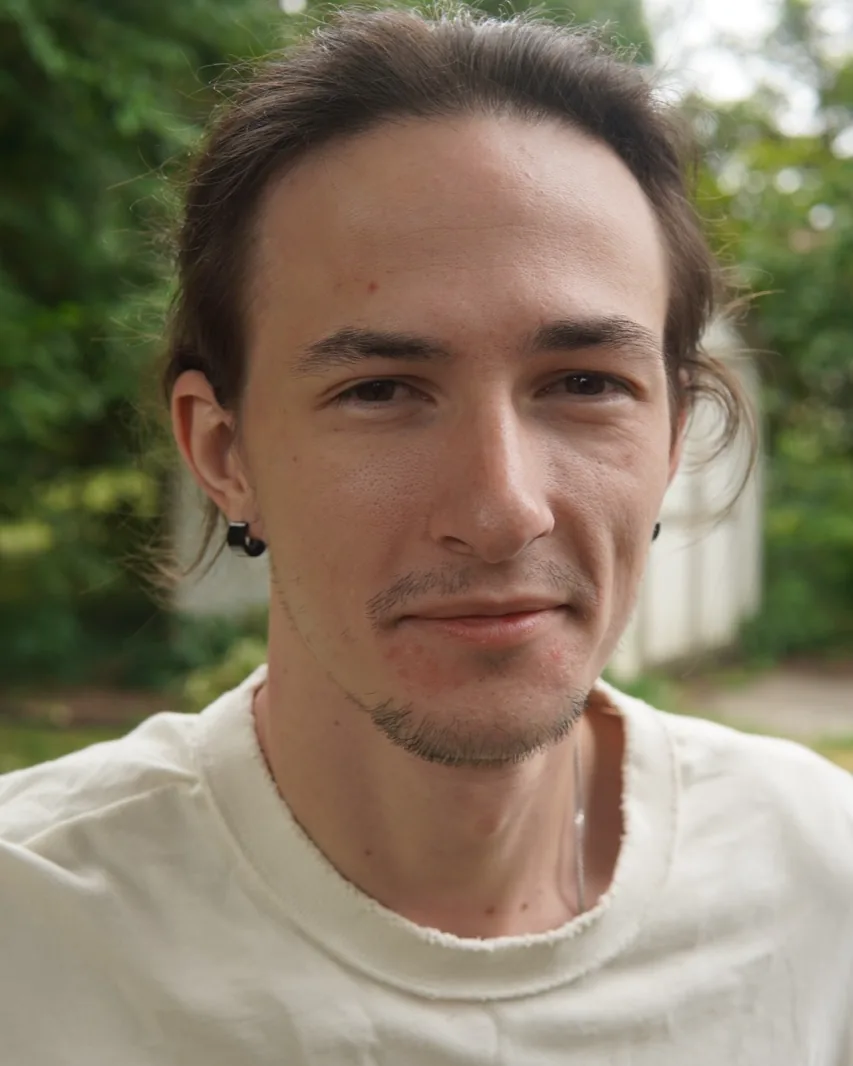
Background
My path into manufacturing was not planned. I left college after realizing the direction I had chosen was not the right fit, started working, and gradually found that I was good at technical, hands-on problem solving.
At Flexco I worked my way through several roles before moving into the toolroom and a precision-machinist apprenticeship. I pursued the toolroom because I wanted the skills that came with it: machining, fabrication, inspection, CAD/CAM, troubleshooting, and the ability to take an idea or drawing and turn it into a real part.
I still think about my career that way. I want each step to make me more capable than I was before.
THE THINGS I BUILD
A heavy-duty wet grinding and polishing machine designed in SolidWorks, then built through CNC machining, turning, TIG-welded fabrication, assembly, and final fitting.
View project → MultidisciplinaryA programmable macropad combining SolidWorks, CNC machining, 3D printing, hand wiring, electronics, and a custom KMK/Python control layout.
View project → FabricationA steel flatbed designed in Fusion 360 and fabricated for a 2003 Ford Ranger, with a wood deck, integrated LED lighting, and tie-down points.
View project →I am at my best when the goal is clear but the answer is not obvious.
Accuracy matters, but so do finish, consistency, and the small things that make work look complete.
I tend to look for ways to remove unnecessary steps, repeated effort, or avoidable problems.
One of the most satisfying parts of knowing something well is helping someone else understand it.
Guatemala
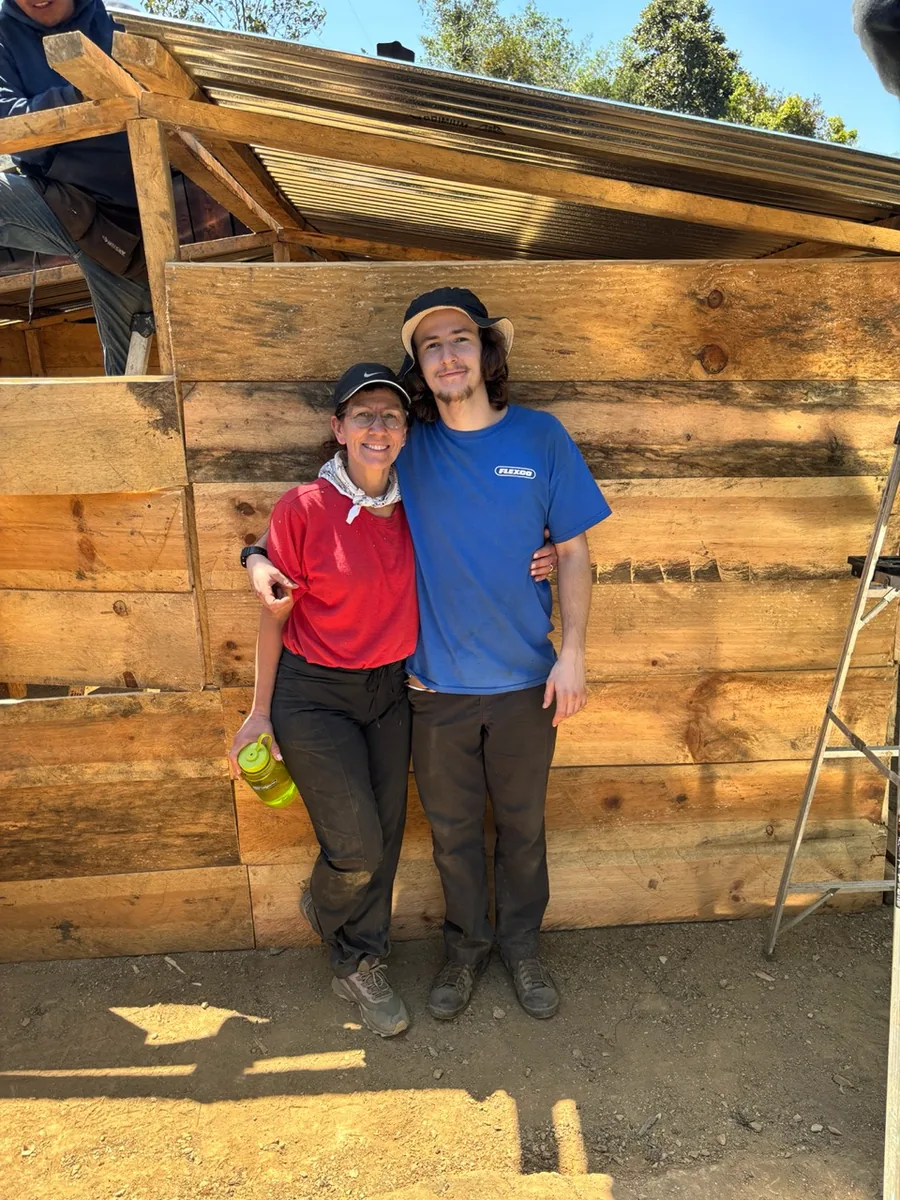
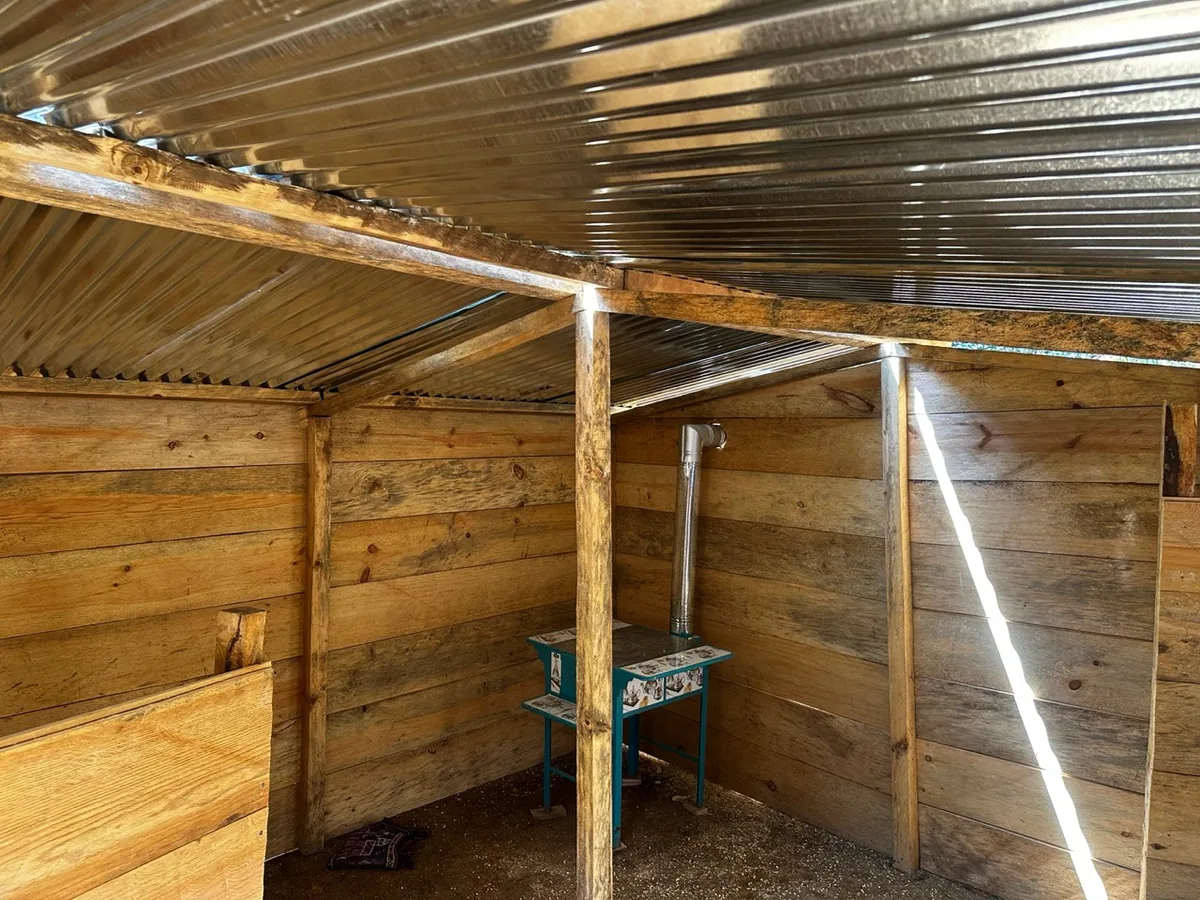
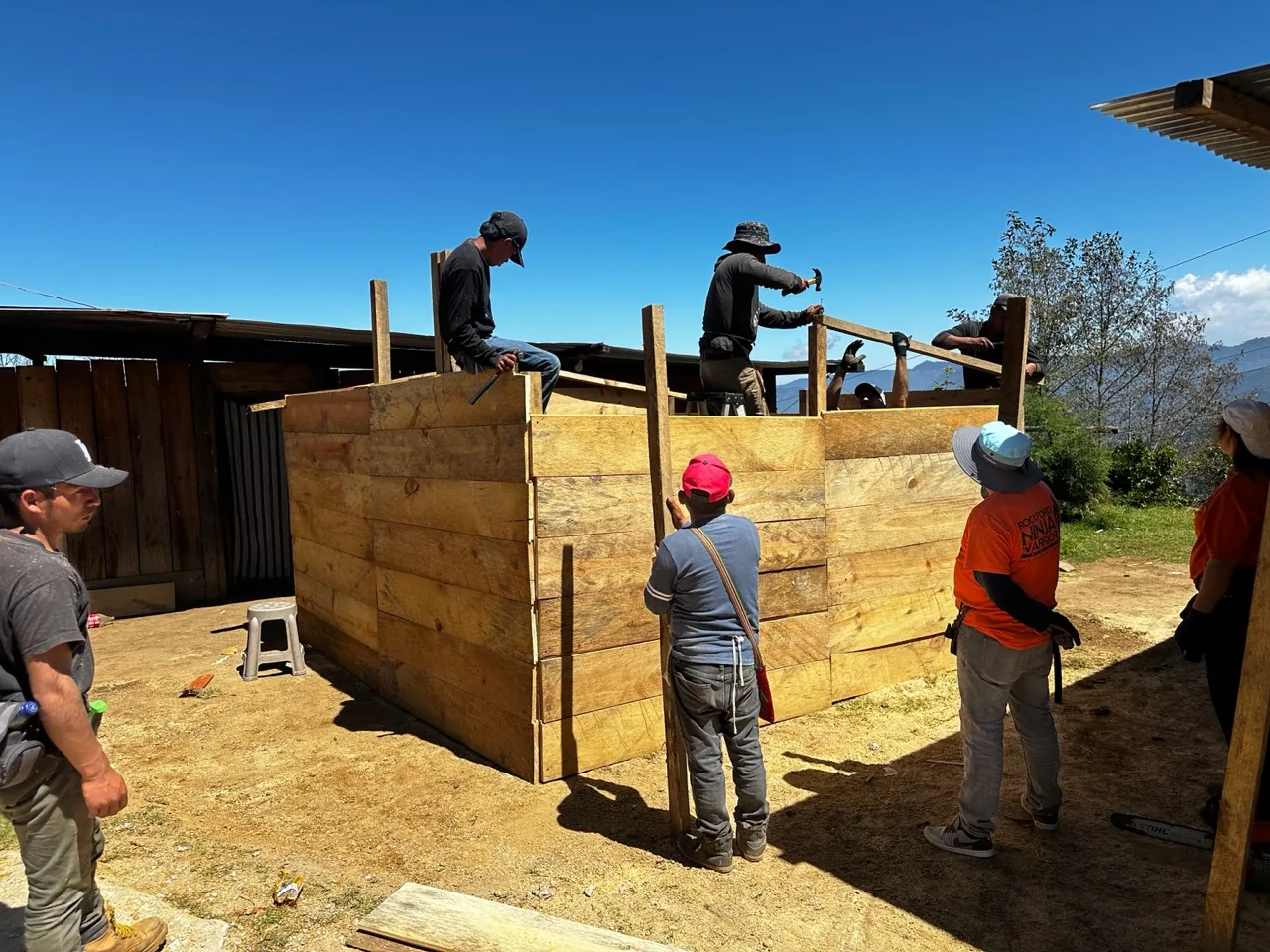
Since 2016 I have made seven volunteer trips to Guatemala, helping build homes in the Ixil region. On four trips I have led one of the small construction crews. The work has given me opportunities to build, teach, solve problems with limited resources, and work closely with people from very different backgrounds.
Much of the work I do there is building simple shelters for widows who would otherwise have very limited housing options. We work in small crews and build each structure on site, often with basic tools and limited resources. When I am leading a crew, my job is to make sure the structure goes together correctly, keep it reasonably square, and help people understand what we are doing and why. I try to teach by showing the process, explaining the reasoning behind it, and then letting others take over the work.
The Ixil are an Indigenous Maya people whose communities are concentrated in the mountainous region around Nebaj, Chajul, and Cotzal. The area has a difficult recent history.
In 1954, the CIA helped overthrow Guatemala's democratically elected government, beginning a period in which authoritarian and military governments increasingly dominated the country. U.S. involvement continued during the Cold War through military assistance, equipment, and training. In December 1982, President Ronald Reagan met with Guatemalan military ruler Efraín Ríos Montt, who requested U.S. weapons and ammunition. Years later, in 1999, President Bill Clinton acknowledged the American role, stating that U.S. support for military and intelligence units involved in violence and widespread repression “was wrong.”
During Guatemala’s 36-year civil war, persecution and military violence forced many Ixil families from their villages. In the early 1980s, the Guatemalan military specifically targeted Ixil communities as part of scorched-earth campaigns in the region. Villages were attacked, civilians were killed, and houses, crops, and livestock were destroyed. Men were disproportionately targeted in selective killings and disappearances, leaving thousands of widows and orphaned children throughout the Ixil region.
The war ended in 1996, but many rural communities in the region continue to face limited access to healthcare and infrastructure, inadequate housing, food insecurity, and chronic malnutrition. Returning year after year has also given me the chance to know these communities beyond the circumstances that first brought us there. Working alongside local crews, spending time with families, and returning to communities I have visited before has allowed me to form connections that I never expected when I first went. Getting to know the people and experiencing the culture has become as important to me as the work itself.
Since 2016 I have made seven volunteer trips to Guatemala, helping build simple shelters for widows in the Ixil region. On four trips I have led one of the small construction crews. The work has given me opportunities to build, teach, solve problems with limited resources, and work closely with people from very different backgrounds.
The trips have also given me the opportunity to learn more about the Ixil people, their history, and the challenges that many communities in the region still face. It is one of the parts of my life outside work that I am most proud to have stayed involved with.
Outside work
I live in West Michigan with my wife. Outside work, my interests shift around, but most of them come back to making, collecting, researching, or learning something new.
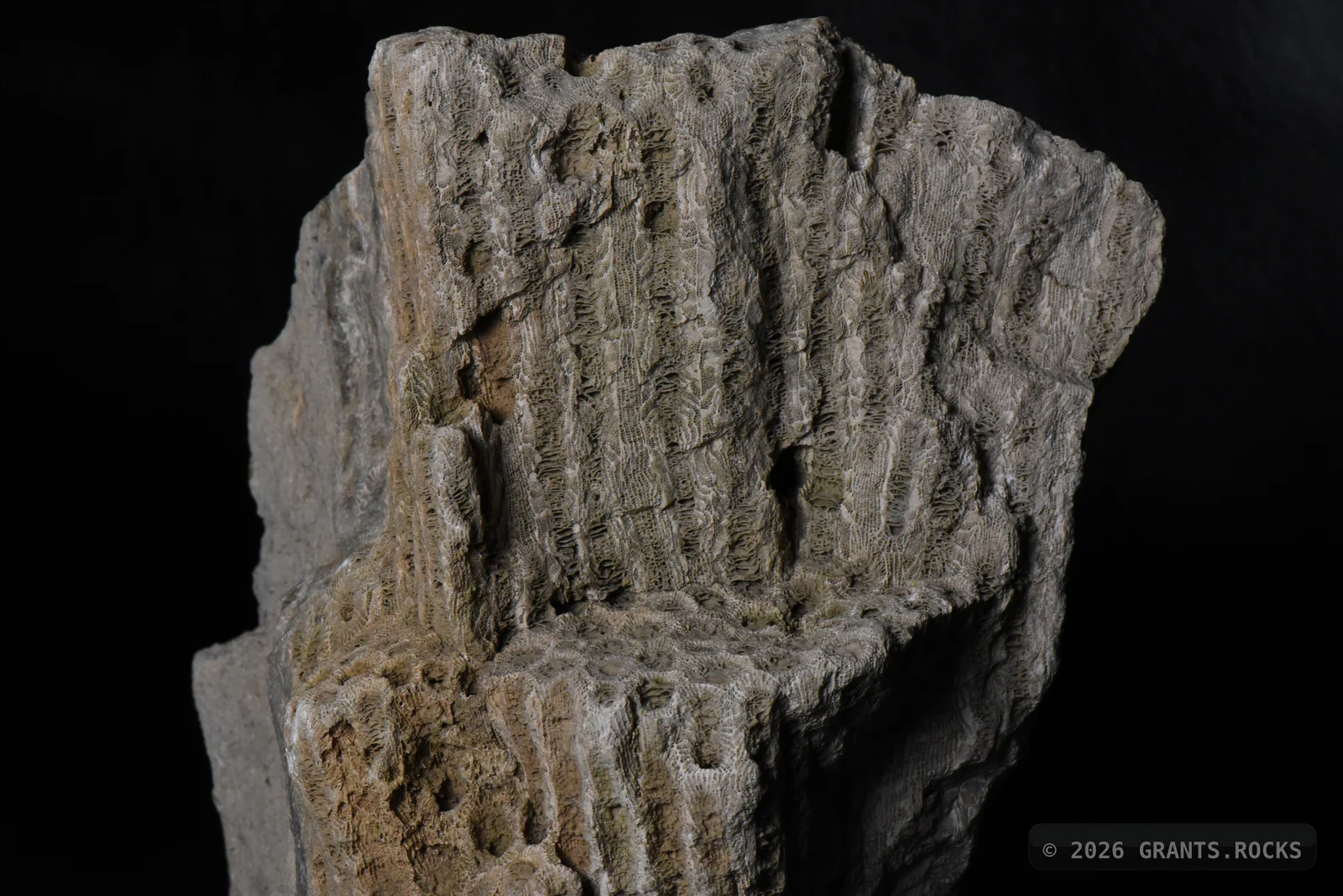
Collecting, polishing, cataloging, and slowly working through independent research questions.
I collect older books tied to subjects I am interested in, especially original scientific and Michigan material.
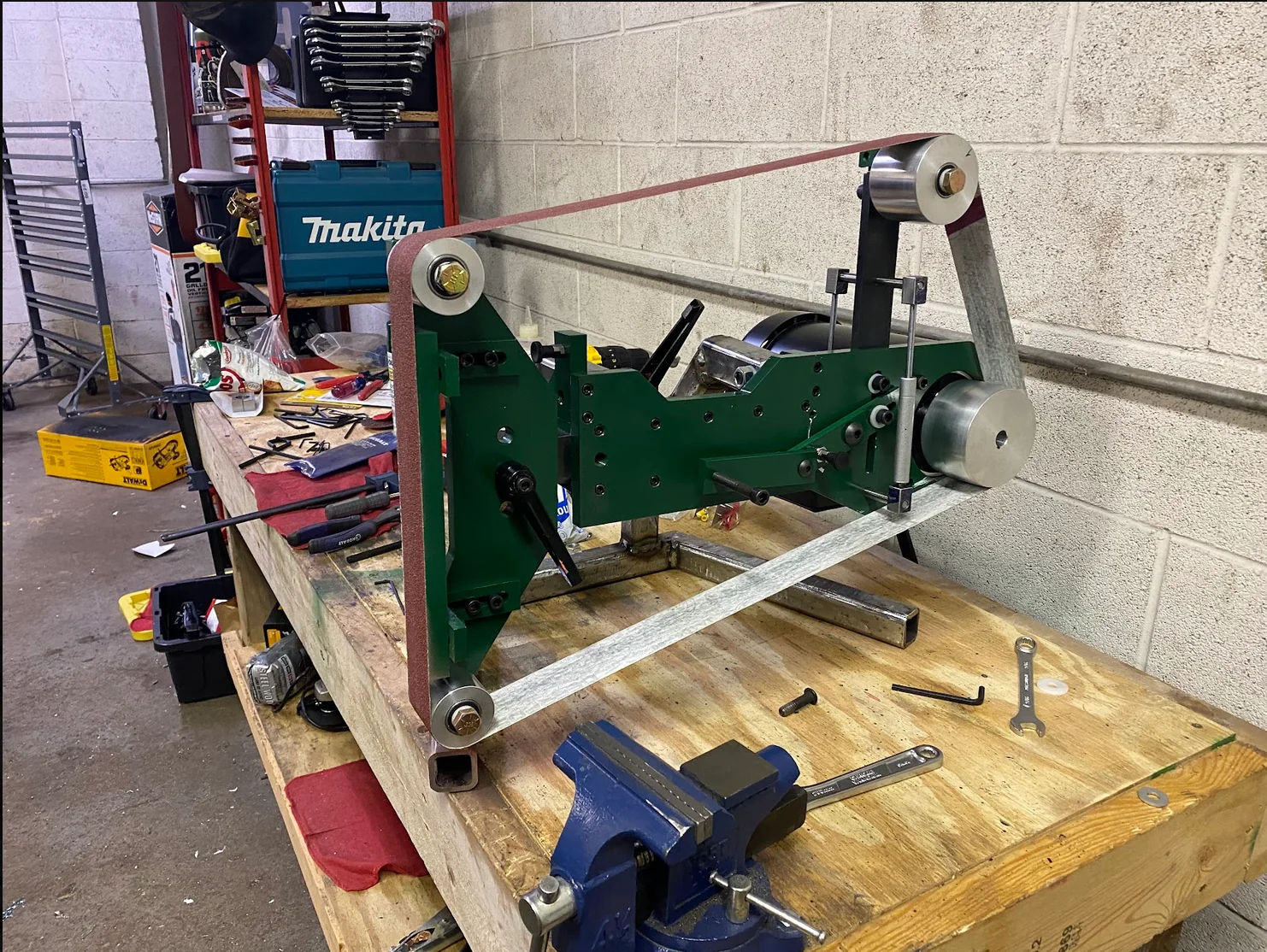
Knifemaking, woodworking, electronics, software, and whatever other project has my attention.